What is yoga?
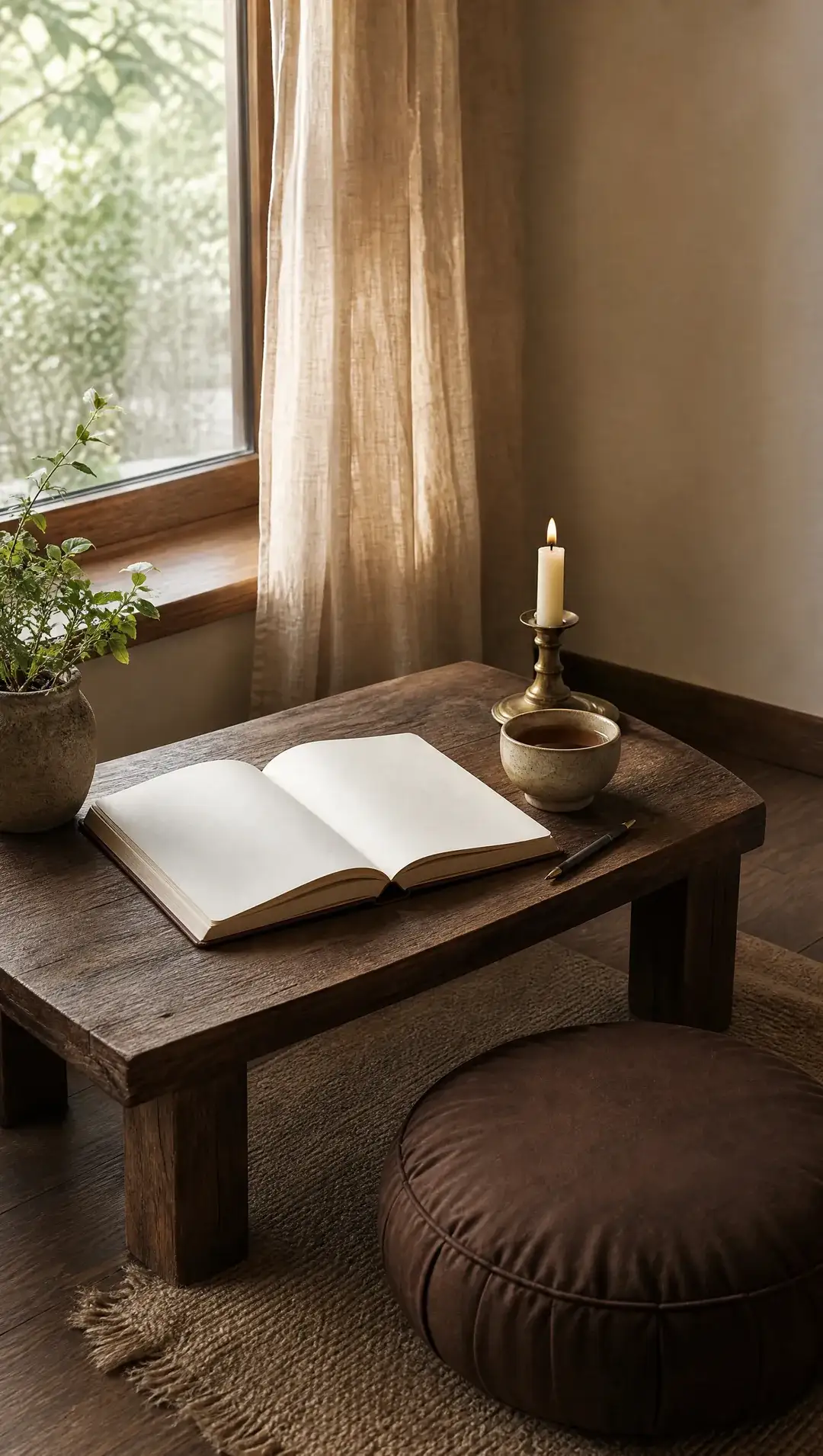
Yoga is a practice from India that brings together movement, breath and attention, and the word comes from the Sanskrit root yuj, meaning to yoke or to join. In the classical texts yoga is above all a discipline of the mind, while most modern classes reach it through postures and breathing.
What the word means
Yoga is a Sanskrit word built on the root yuj, which means to yoke or to harness. In the oldest Sanskrit hymns it is used quite literally, for yoking horses to a chariot. Over centuries it took on a second meaning: harnessing the senses and the mind the way a driver holds the reins.
That second meaning is the one the yoga texts care about, and it is still what a first private lesson for beginners is really about: learning to steady your attention, not learning to touch your toes. “Union” is the translation you will hear most often in studios, and it is a fair reading, but the older sense of disciplined effort sits underneath it.
Where the idea comes from
The first clear descriptions of yoga as a practice appear in the Upanishads, philosophical texts from the later centuries BCE. The Katha Upanishad describes yoga as the steady holding of the senses, and the Shvetashvatara Upanishad talks about sitting upright and regulating the breath. The Bhagavad Gita then widened the word to cover action, devotion and knowledge as paths of their own, all set against Arjuna’s question about dharma, his duty.
The best known definition comes from Patanjali’s Yoga Sutras, a short collection of aphorisms usually dated to the early centuries CE. Its second sutra says, in Sanskrit, yogas chitta vritti nirodhah: yoga is the stilling of the movements of the mind. Posture gets only a few lines in the whole text, where the seat for meditation is described as steady and comfortable.
The long sequences of poses came later. Medieval hatha texts, such as the Hatha Yoga Pradipika from the fifteenth century, set out postures, breath control and seals as ways of preparing the body for meditation. You can follow the whole story on the history of yoga page.
How it shows up in a modern practice
Most yoga taught today, in studios, gyms and homes, is posture-based. That is a twentieth century development, built on the hatha texts and shaped by teachers in India and abroad. It still carries the classical idea inside it. A good class asks you to notice your breath, to move with it, and to stay with a sensation rather than rush past it.
Different styles lean on different parts of that. Vinyasa links movement to breath in a steady flow. Yin holds quiet floor poses for several minutes. Restorative uses props so the body can rest completely. The types of yoga page sets them side by side, and the Sanskrit yoga glossary explains the words you will hear along the way.
What it means in a private lesson
A private lesson is a good place to see what yoga is, rather than just what a pose looks like. Without a room to keep up with, there is time to slow down, to notice what the breath is doing, and to adjust a posture to your body instead of forcing your body into a posture.
That is how I teach. I trained for 200 hours at House of Om in Bali (you can read more about how I trained), and the lesson starts from who you are that day.