Yin vs restorative yoga
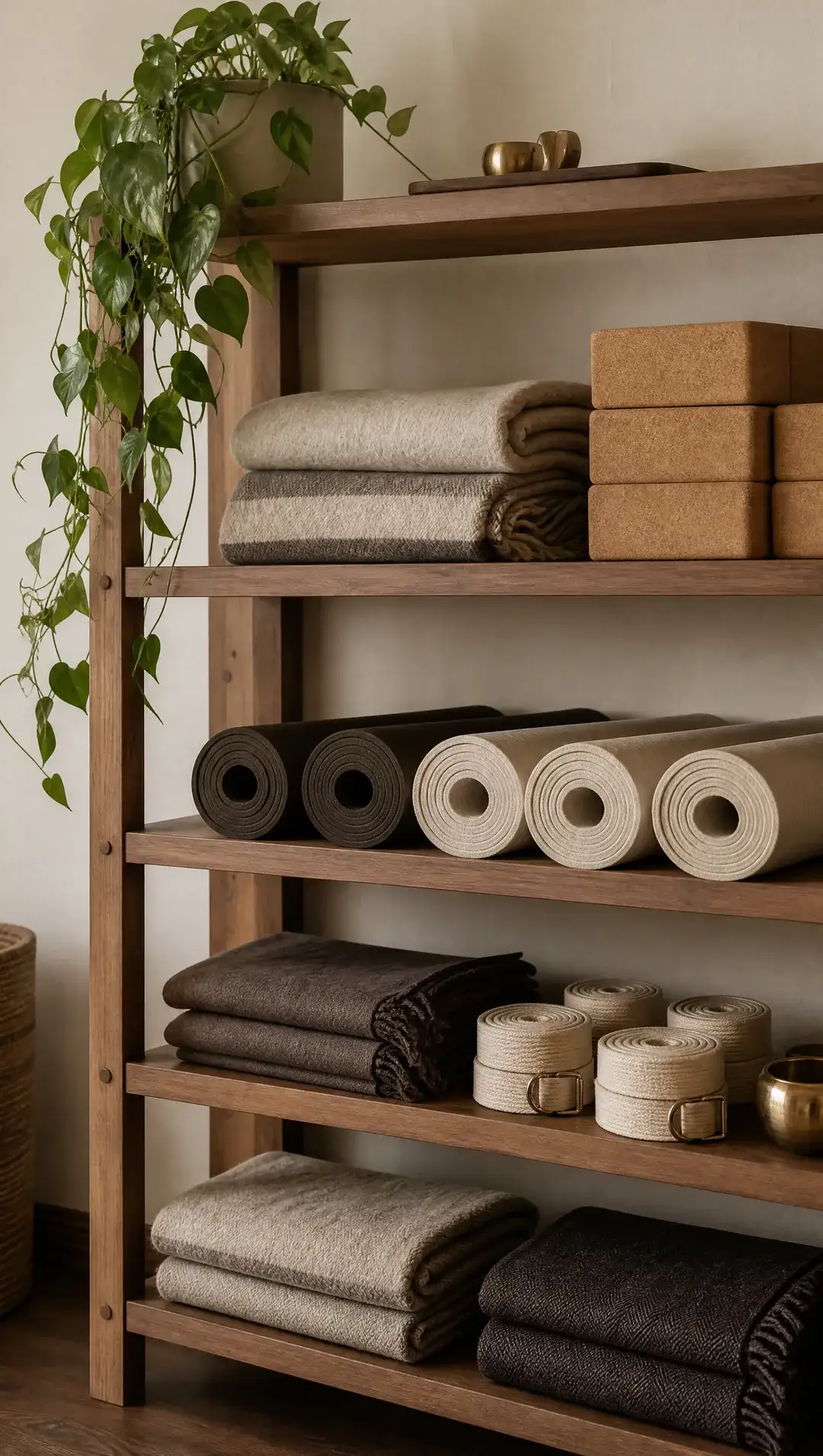
Yin yoga holds floor poses for three to five minutes so that you feel a mild, broad stretch, with the muscles relaxed and props helping. Restorative yoga uses even more props to support you completely in a few gentle shapes held for longer, so that there is little or no stretch and the aim is simply to rest.
Yin and restorative yoga are the two quietest styles of yoga, and they are easy to confuse. Both happen on the floor, both use props, and both hold each shape for minutes rather than breaths. The difference is in what the shape asks of you. Yin asks you to stay with a gentle stretch. Restorative asks you to do nothing at all, which is the whole idea of deeply rested, prop-supported yoga.
What Yin is
In Yin, you settle into a floor posture, let the muscles go, and stay there for three to five minutes. Props hold part of your weight, but not all of it, so you feel a mild, broad sensation across an area such as the hips, the backs of the legs or the spine.
A lesson might include five or six shapes, such as dragon pose for the hips or caterpillar for the back of the body. Nothing is strenuous. The effort is in staying put while the sensation builds and changes.
What restorative is
In restorative yoga, props do all of the work. Bolsters, blankets and blocks are arranged so that every part of you is supported and nothing is held up by effort. The shapes are gentle, such as supported child’s pose, legs up the wall or a reclined, supported twist, and each can be held for five to fifteen minutes.
There should be little or no stretch. If you feel one, a prop is added. The practice is about letting the body rest completely while you stay awake and quietly aware.
The main differences
Sensation. Yin looks for a mild stretch. Restorative looks for comfort and almost no stretch.
Props. Both use them. In Yin they support part of the shape. In restorative they support all of it.
Length of holds. Yin usually holds for three to five minutes. Restorative often holds for longer.
Number of shapes. Yin covers five or six in a lesson. Restorative often covers fewer, sometimes only three or four.
What it asks of you. Yin asks you to stay with a sensation. Restorative asks you to let go of doing anything.
How to choose
Choose Yin if you want to feel something working, especially in stiff hips, hamstrings or a lower back that has tightened from long days of sitting, and if you can stay with a steady sensation for a few minutes.
Choose restorative if you are depleted, recovering from illness or a hard stretch of work, or simply want to rest deeply. It also suits days when even a gentle stretch feels like too much.
Many people use both: Yin in an ordinary week, restorative in a hard one. If you are also weighing a slow style against a moving one, Yin vs Vinyasa yoga covers that choice.
A sample of each, side by side
A Yin practice might open with a few minutes of easy breathing, then move through a butterfly shape, a dragon on each side, a gentle twist and a long forward fold, each held for a few minutes, before a final rest.
A restorative practice might be only three shapes: a supported child’s pose over a bolster, a reclined shape with blankets under the knees and head, and the legs resting up the wall, each held long enough for the breath to slow on its own.
Neither is a test. If a hold feels too long, you come out, and we try the shape another way.
What to watch for
In Yin, a dull, spread-out sensation is the aim. Anything sharp, electric, or felt inside a joint means come out and change the shape.
In restorative, discomfort of any kind means a prop needs moving. It is worth taking the time to get the setup right, because the whole practice depends on it.
If you have an injury or a medical condition, or you are pregnant, check with your doctor, OB or midwife before starting either style. A physiotherapist can advise if a particular position causes pain.
Practising with me
I teach both at your home, condo or office, and I bring the bolsters, blankets and blocks. In a private Yin lesson I count the holds and talk you through each shape. In a restorative lesson at home I set up the props around you and then leave you to rest. Both lessons close with a mini massage in savasana and sound healing.