Yin vs Vinyasa yoga
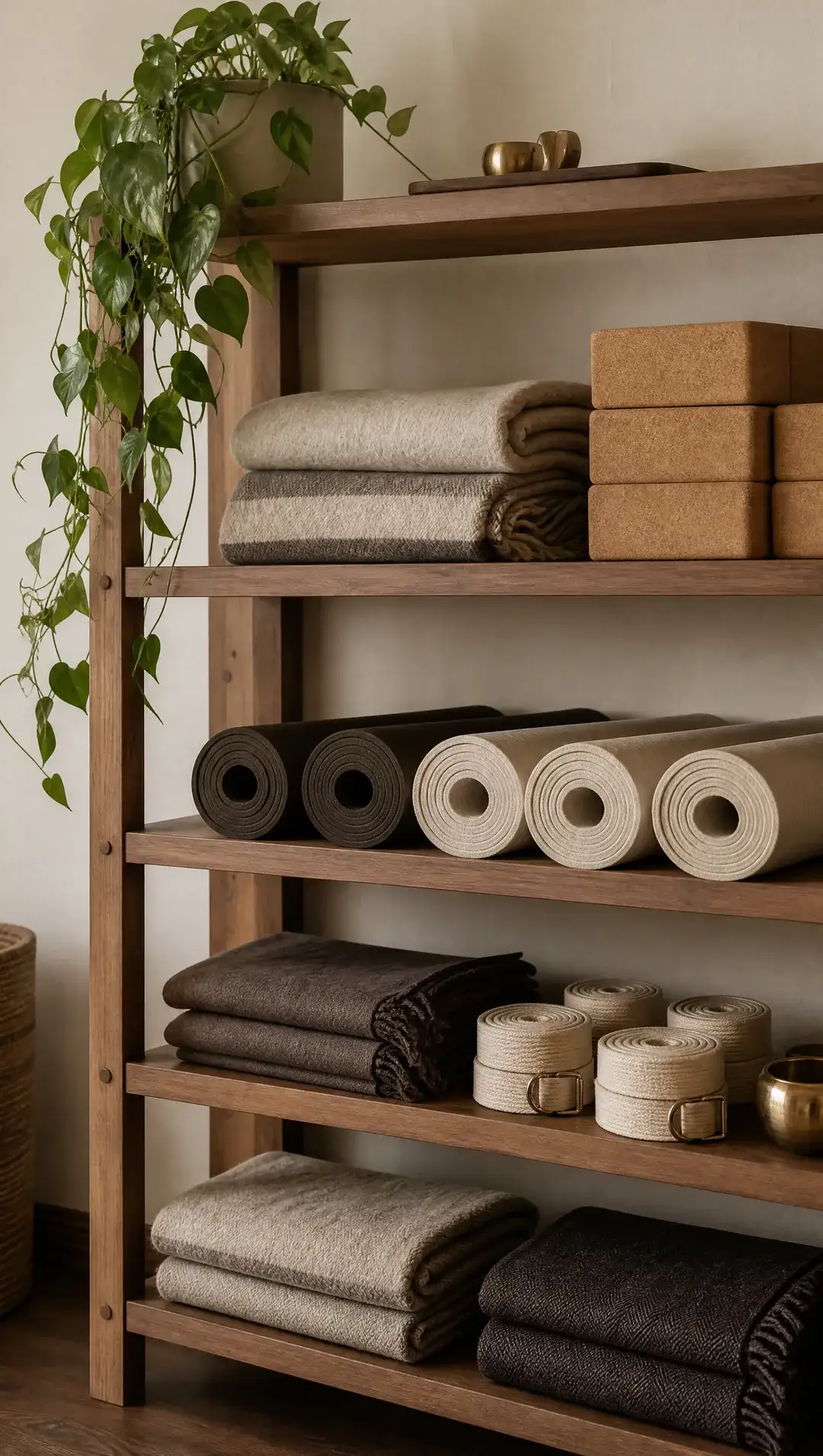
Yin yoga holds a small number of floor postures for three to five minutes each, with the muscles let go and props doing the work. Vinyasa strings standing and floor postures into a continuous sequence that moves with the breath, so it is warmer, faster and asks your muscles to work.
Both are yoga, and both can be taught to a complete beginner. They just go in opposite directions. Yin asks you to stop and stay. Vinyasa asks you to keep moving. Here is how each one works, how it feels in a lesson with me, and how to choose.
What Yin is
Yin works the other way round from most yoga. Instead of engaging a muscle, you let it go. You settle into a shape on the floor, props hold it up for you, and you stay there for three to five minutes.
That usually means five or six postures in a whole lesson. Nothing in it is strenuous. The difficult part is staying still, and in private Yin yoga lessons the props and a counted hold make that easier.
A posture that is fine at thirty seconds feels like a great deal more at three minutes. The sensation should stay dull and spread out, never sharp. Props hold you the whole time. I bring bolsters, blankets and blocks, and we usually use more of them than you would expect.
What Vinyasa is
Vinyasa means putting things in a particular order. In practice, the postures are strung together into a sequence and you keep moving from one shape into the next, with your breath setting the pace.
A Vinyasa lesson has an arc. We warm up, build to something that takes real effort, then come down and finish on the floor. You will be breathing hard in the middle and not at the end. The sequence changes from lesson to lesson, so it never becomes a routine you do on autopilot.
You will need a mat, and I bring blocks and straps. A towel and water within reach is a good idea, especially in a condo without the aircon running.
The main differences
Pace. Yin is still. Vinyasa is continuous.
Effort. In Yin your muscles are switched off and the props do the holding. In Vinyasa your muscles work, and you will probably sweat.
Where you spend the time. Yin stays on the floor. Vinyasa moves through standing postures, balances such as Half Moon on one leg and a block included, and comes down to the floor at the end. A few shapes belong to both: Frog, knees wide on all fours, is held passively in Yin and worked actively in Vinyasa.
What is hard about it. In Vinyasa the hard part is physical. In Yin it is staying put while nothing happens.
How many shapes. Yin covers five or six in a lesson. Vinyasa covers many, and repeats them, which is why it is the quickest way to learn the names and the alignment.
How to choose
Choose Vinyasa if you want to be worked, and would rather be warm than still. It suits anyone who likes to leave a little out of breath and wants to learn the shapes quickly.
Choose Yin if your hips and lower back have quietly closed down, or if you are someone who finds stillness harder than effort. It suits a tired week, a full head, or an evening when you want to slow right down.
If you cannot decide, think about how you want to feel when the lesson ends. Warm and a bit spent, or quiet and unhurried. That usually answers it.
What to watch for in each
In Yin, a broad, dull sensation over an area is what we are looking for. Anything sharp, electrical, or felt inside a joint is a sign to come out. I would far rather you came out early than held on politely. Tell me and we change the shape.
In Vinyasa, your breath sets the limit. When it gets ragged, we slow down. There is a resting posture you can take at any point without asking.
If you have an injury, a medical condition, or you are pregnant, check with your doctor before starting either style, and tell me before the lesson so we can plan around it.
How I teach them
In a Yin lesson I count the holds for you and talk you through the first minute of each posture, then leave you alone with it. In a Vinyasa lesson the pace follows your breathing rather than a clock, and the sequence is built for the person in front of me that day.
You can read more about each on the Yin lesson and Vinyasa lesson pages. I teach both at home or at the office, including private yoga in BGC and in Rockwell.