Yoga for flexibility: how your range changes, and how slowly
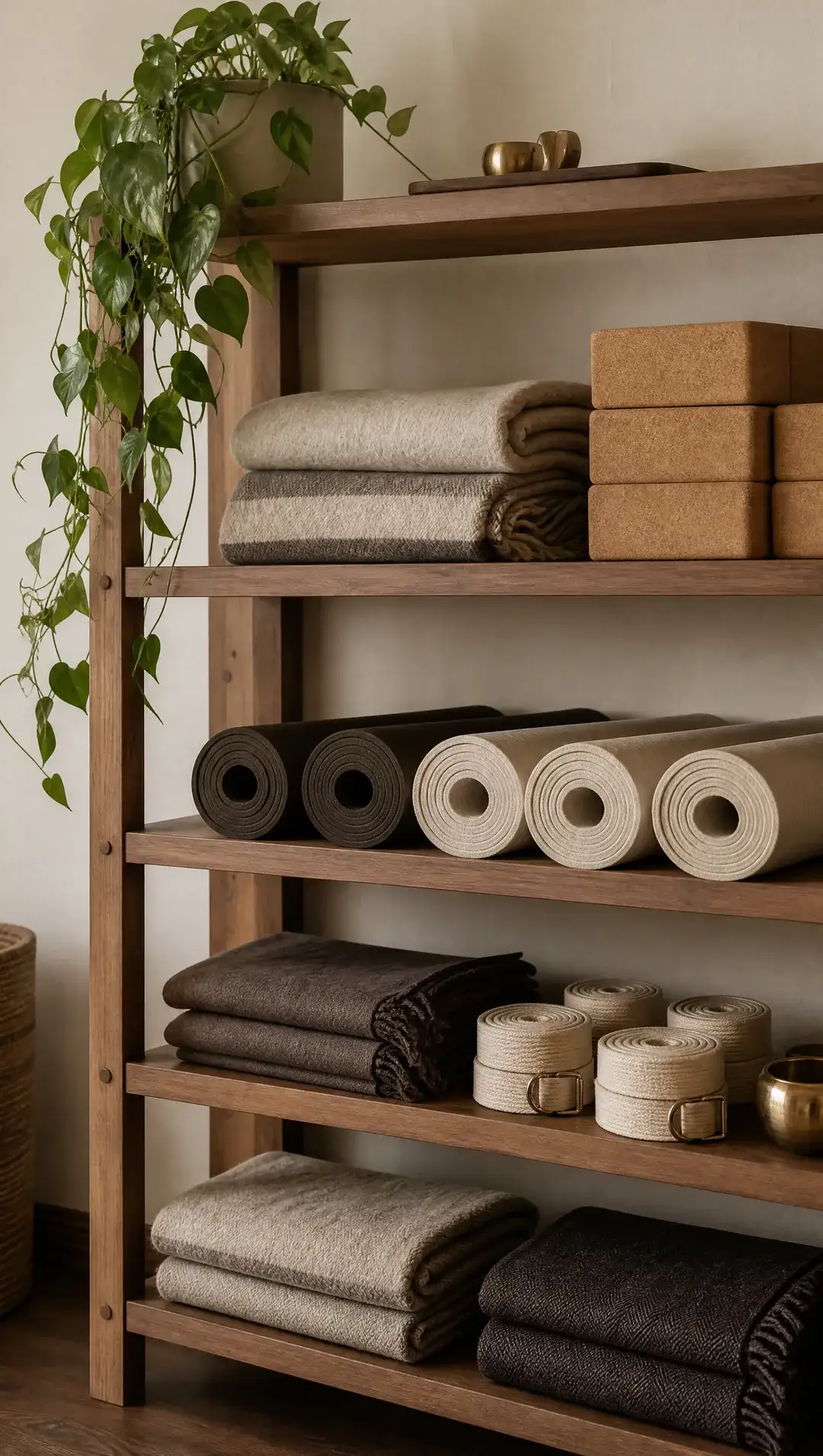
Yoga can help many people move more freely over time, through regular, patient practice of poses that lengthen the hips, hamstrings, spine and shoulders. The change is gradual and different for every body, so it is best measured in how you feel moving rather than in how far you can reach.
Flexibility is one of the most common reasons people come to yoga, and one of the most misunderstood. The photos online suggest a finish line. There is not one. What yoga offers is a steady, patient way of asking your body for a little more range, and listening to what it says back. Long, supported holds in private Yin yoga lessons are one patient way to ask.
What flexibility actually means
Flexibility is how far a joint can move, and it is shaped by many things: the muscles around the joint, the shape of the bones, old injuries, how you spend your days, even the time of day. Some of that can change with practice. Some of it, like the shape of your hip socket, cannot.
That is why two people doing the same practice for the same length of time can end up in very different places. Neither is doing it wrong.
An honest note on progress
Change comes slowly, and it is rarely a straight line. You may feel looser one week and stiffer the next, especially after a long day at a desk, a flight, or poor sleep. That is normal.
It helps to notice other signs as well as reach: getting up from the floor more easily, turning your head to reverse the car, bending to pick something up without thinking about it. Those tend to matter more in daily life than touching your toes.
Poses that work on flexibility
These are good places to start. Each one has an easier version with props.
- Seated forward bend for the backs of the legs and the spine. Bend your knees and sit on a folded blanket. Folding from the hips matters more than how low you go. For more ways in, see standing, seated and strapped hamstring stretches.
- Butterfly pose for the inner thighs and hips. Blocks under the knees let the legs rest instead of strain.
- Downward dog for the hamstrings, calves and shoulders. Bend the knees and let the heels float.
- Pigeon pose for the outer hips. A block or blanket under the front hip keeps the pose even.
- Slow cat-cow to move the spine through its range before anything deeper.
- Low lunge, back knee padded for the front of the hip, which shortens with long hours of sitting. Let the hips ease forward rather than pushing them.
How to practise
Warm up first. A few minutes of gentle movement before deeper shapes makes them more comfortable. A lesson that starts with the deepest stretch starts in the wrong place.
Hold, breathe, soften. In an active class you might hold a pose for five breaths. In a still, floor-based style like Yin, you hold for three to five minutes with props supporting you. Both have a place.
Stay out of pain. The sensation you want is a dull stretch spread over an area. Sharp, pinching, burning or electric sensations, or anything felt inside a joint, mean come out and change the shape. Yoga’s name for this rule is ahimsa, the principle of non-harming.
Do not bounce or force. Pulling yourself deeper with your hands, or bouncing at the end of a stretch, tends to make the body guard against it.
Be regular rather than heroic. A short practice several times a week usually suits the body better than one very long, very deep practice now and then. The numbered stretching routines in the Learn library are short enough to keep up, and if you have a goal like the splits, the patient, propped route to the splits sets out the weeks.
Balance flexibility with strength
Range of movement is most useful when you can control it. Poses that ask the muscles to work, like standing poses and gentle core work, give your body strength at the new end of its range. Extended Side Angle, with its long line from heel to hand, and Dancer Pose, a balance that opens the front of the thigh, ask for both at once. A good practice includes both. If you are curious about the two approaches, Yin vs Vinyasa yoga explains how a still practice and a flowing one differ. If you run, a short yoga routine for after the run puts several of these shapes in order.
When to see a professional
Talk to your doctor or a physiotherapist before working on flexibility if you have a joint condition, a past injury or surgery, a condition that makes your joints unusually loose, or pain that is there when you are not stretching. If you are pregnant, check with your OB or midwife, and avoid pushing to the end of any stretch. Pain is always a signal to stop and ask.
Practising with me
In a lesson, I watch how you move before choosing the shapes, then set each one up with props so you can stay in it comfortably. We go at a pace where you can breathe, and we never push past what your body is offering that day. My slow, propped Yin lessons are a good fit if flexibility is your main reason for coming to the mat, and I teach them at home and at the office, including private yoga in Makati.