Yoga for beginners: how to start, however stiff you feel
You do not need to be flexible, fit or calm to start yoga, because those are things the practice works on, not things it asks for at the door. Start with a handful of simple poses, a slow pace and a teacher who changes the shapes to fit your body, and build from there.
If you feel stiff, out of shape, or a little embarrassed about how you will look on a mat, you are in exactly the right place to begin. The practice is built to meet you where you are. That is also the idea behind starting yoga with a private teacher at home: nobody else in the room, and a pace set by you.
What you actually need
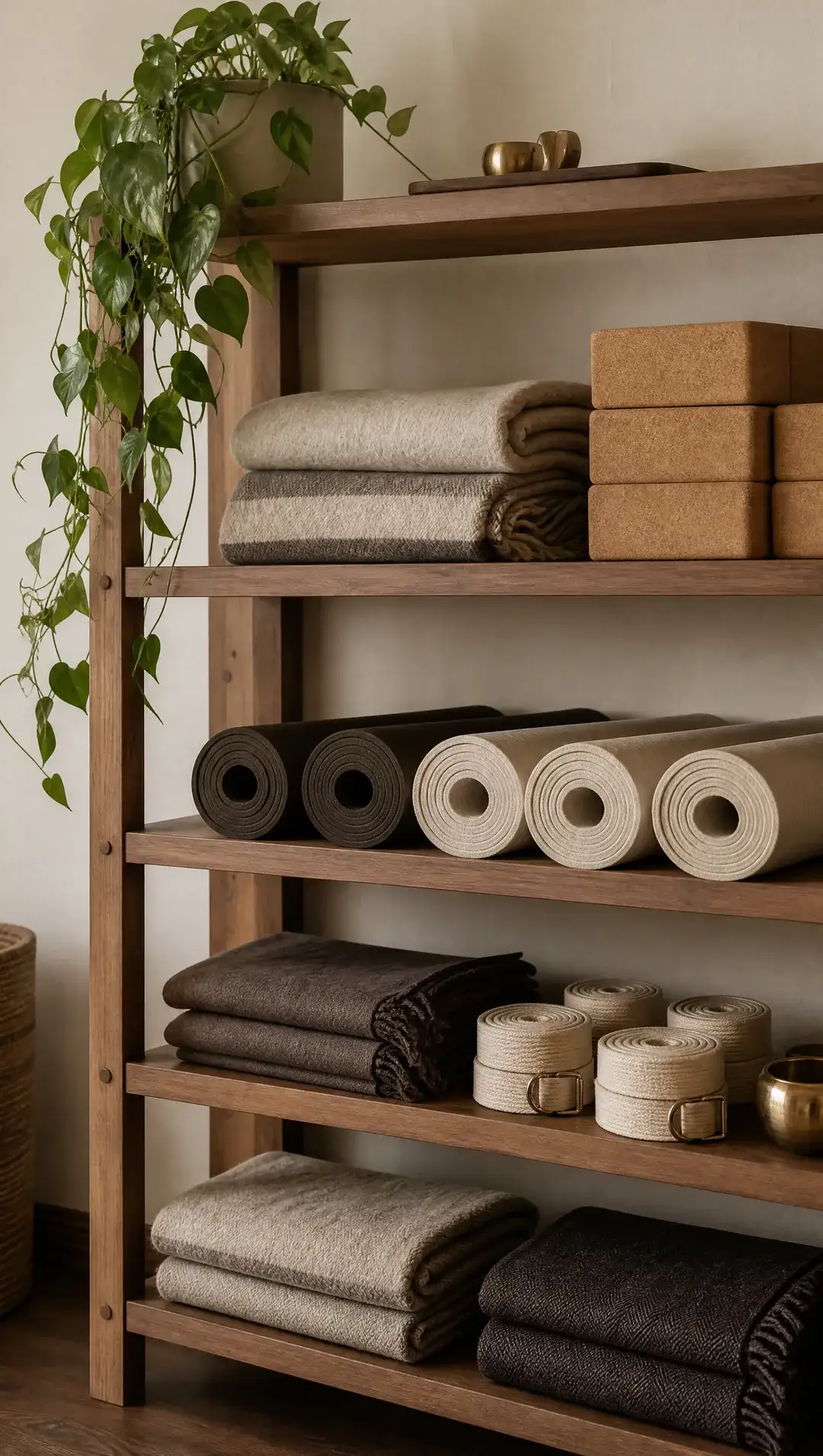
Less than you think. A mat, clothes you can move in, and some floor space. Blocks and a strap help, because they bring the floor closer to you, but you can use a stack of books and a belt at home.
You do not need to be flexible. You do not need to be strong. You do not need to know any Sanskrit, and you do not need to be good at sitting still. All of those come, slowly, from practising. None of them are the price of entry.
What to wear to yoga (at home and in a class)
Choose clothes that stay where you put them. When you fold forward or lift your hips in Downward Dog, where a loose top slides towards your chin, a fitted top keeps you covered and lets you forget about it. Leggings, cycling shorts or soft track pants all work; very baggy trousers catch on your feet and hide your knees, which makes it harder to see how you are standing.
Manila is warm and humid most of the year, so pick light, breathable fabric over heavy cotton that stays damp. Bring a small towel for your hands and face, and a layer for the end, because you cool down quickly lying still, especially under an air conditioner.
Practise barefoot. Bare feet grip the mat better than socks, and you can feel how your weight spreads. Take off rings and bracelets that press into your hands, and tie long hair low so it is comfortable when you lie on your back. If your first lesson is at home, what to prepare and wear before a first private lesson covers the rest.
Five poses to learn first
These are the shapes that come up again and again.
- Mountain pose, the basic standing shape. Standing tall with your feet grounded and your arms by your sides. It looks like nothing, and it teaches you where your weight sits and how you stand.
- Child’s pose. Kneeling, folding forward, forehead down. This is your resting pose. You can come into it at any point in a class, for any reason, without asking.
- Cat-cow. On hands and knees, rounding and then arching your back with the breath. It is gentle, it warms the spine, and it is where most people first notice breath and movement going together.
- Downward dog. Hands and feet on the floor, hips lifted into an upside-down V. Beginners bend their knees here, generously. Straight legs and flat heels are not the goal.
- Lying still at the end. Every lesson closes on your back with your eyes closed. It is part of the practice, not a break from it.
When you want more to practise on your feet, standing yoga poses, each with two lines on how to do it is the next page to read.
How to start, step by step
Go slowly. Move at a pace where you can still breathe through your nose. If you are holding your breath, ease off.
Use props from the first day. A block under your hand is not a sign you are behind. It is how the pose is meant to be done in your body today.
Work at about seventy percent. You should feel the shape working, never a sharp or pinching sensation. Discomfort that is dull and spread out is usually fine. Anything sharp, or anything in a joint, means come out. The yoga texts call this not harming, or ahimsa, and it comes before any pose.
Keep it regular. A short practice twice a week tends to do more than one long practice a month, which the Yoga Sutras put as practice “followed long, persistently, with earnestness”, one of the classical yoga quotes worth keeping. Between lessons, a fifteen-minute head-to-toe stretch or a gentle morning stretch beside the bed keeps the body used to moving.
Ignore the person next to you. Every body folds differently, and some bodies will never do some shapes. That is anatomy, not failure.
Which style to start with
Most beginners do well with a slow, alignment-focused class first, where you learn the names and the shapes before the pace picks up. From there, some people move towards a flowing style like Vinyasa and some towards a still, floor-based style like Yin. If you are curious about the difference, see Yin vs Vinyasa yoga.
When to check with a professional first
Yoga is gentle, but it is still movement. Check with your doctor before you start if you have a heart or blood pressure condition, a recent injury or surgery, ongoing joint or back pain, or if you are pregnant or have recently given birth. If you are pregnant, private prenatal lessons adapt each shape to your trimester once your OB or midwife has cleared you. A physiotherapist is the right person to ask if a particular movement hurts. Tell your teacher about any of these before your first lesson so the practice can be planned around them.
Starting with me
In a first lesson I spend the early minutes asking how your body feels and what you want from the practice, then we learn the basic shapes slowly, with every prop within reach. If something does not suit you, we change it. The lesson ends lying down, with a mini massage and sound healing after the practice to close.
You can read how private beginner lessons work on their own page. I come to your home, condo or office in any of the areas I teach in, so the first time you try yoga can be somewhere you already feel at ease.