Yoga for anxiety
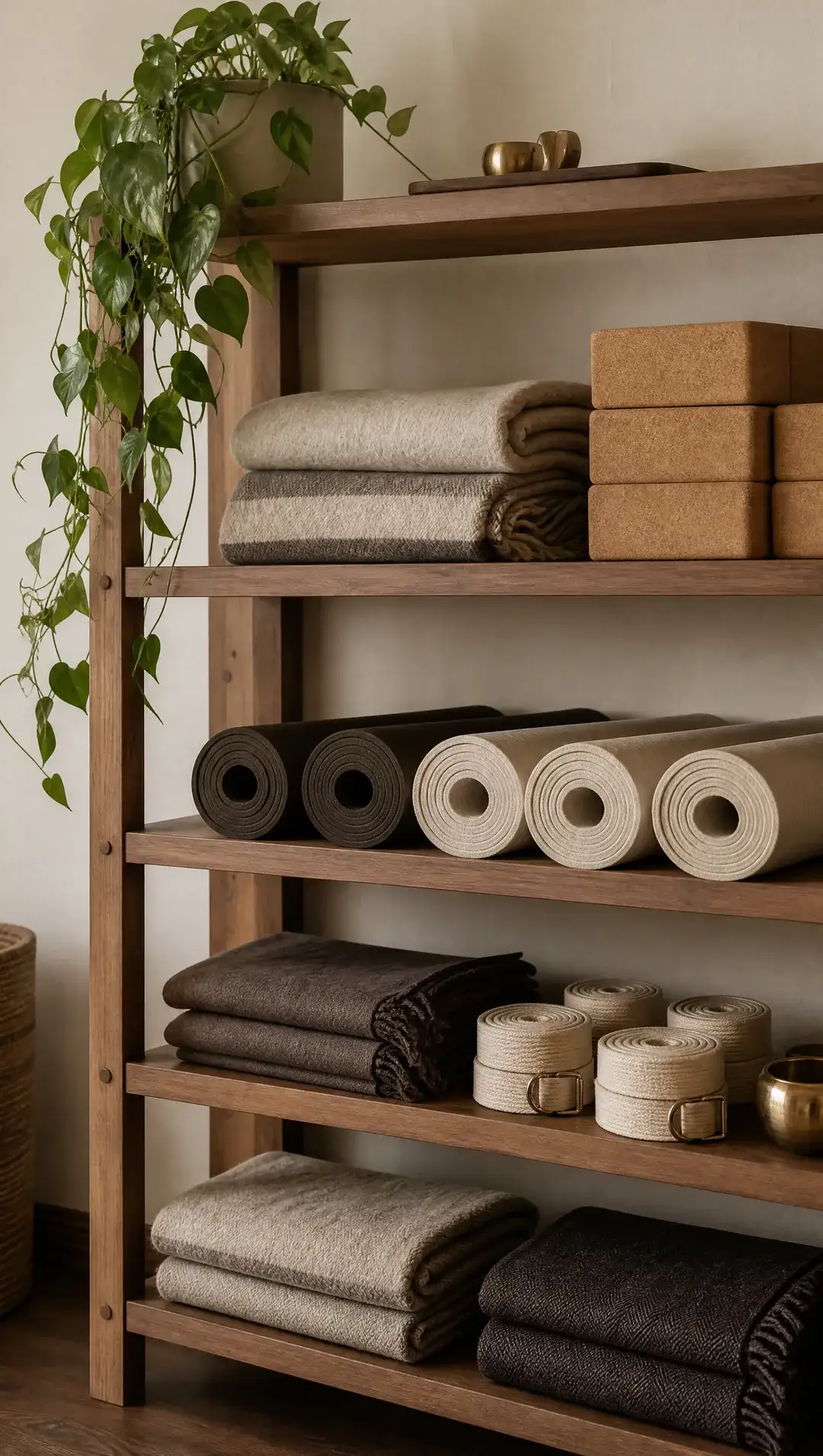
Yoga is not a treatment for an anxiety disorder, and it should never replace care from a doctor, psychologist or psychiatrist. Many people do use a slow, grounded yoga practice alongside that care, as a regular, predictable time to breathe, move gently and rest.
I want to be clear about this first, because it matters more than anything else on this page. Yoga is not a treatment for an anxiety disorder. If anxiety is shaping your days, the first step is a conversation with a doctor, a psychologist or a psychiatrist.
What yoga can be is one steady, gentle thing you do for yourself while you get that care. It is also how I teach my lessons for stress and burnout: alongside care, never instead of it. This guide explains what that looks like, what to try, and what to avoid.
Where yoga can fit
Anxiety often lives in the body as much as the mind: a tight chest, shallow breathing, restless legs, a clenched jaw. A slow yoga practice gives you something physical and simple to do with that energy. You move, you breathe, you rest, in an order that does not change much from day to day.
That predictability is part of the point. Many people find it easier to settle when they know exactly what comes next. I will not promise that it will lower your anxiety. It is a practice, not a prescription.
A grounding practice to try
Keep your eyes open if closing them feels uneasy. Stop at any point.
- Feel the floor. Sit on a chair or the floor and press your feet or sit bones down. Name five things you can see in the room.
- Move before you sit still. Stand and shift your weight slowly from foot to foot, then roll the shoulders. For some people, movement comes before stillness is possible.
- Rest the forehead. Come into a resting child’s pose, with your forehead on a cushion or on stacked fists. Feel the breath move into your back.
- Breathe out a little longer. Sitting or lying, breathe in gently through the nose and out slowly, as if through a straw. There is no need to count. Skip this step if focusing on the breath makes you more uneasy.
- Lie down with support. Rest on your back with a cushion under your knees and a blanket over you. If lying flat feels exposed, lie on your side instead, with a pillow between the knees.
Five to fifteen minutes is plenty. You can do only step 1 on a hard day.
Making it a habit
A short practice at the same time each day is easier to keep than a long one now and then. Many people pair it with something they already do: after the morning coffee, before opening the laptop, or when they get home and change out of work clothes. Keep the mat, a cushion and a blanket somewhere you can see them. If a day passes without practice, start again the next day. There is nothing to catch up on.
What to be careful with
- Long breath holds and fast breathing. Techniques like strong, rapid breathing or long retentions can bring on dizziness or panic in some people. Leave them out unless a professional has suggested them.
- Closing your eyes. It is never required. A soft gaze at the floor works just as well.
- Pushing through. If a shape or a breath makes you feel worse, come out. That is the practice working as it should, not a failure.
- Hot, crowded rooms. If a busy studio raises your heart rate before you start, a quieter setting or practising at home may suit you better.
For gentle breathing techniques and their safety notes, see box breathing, 4-7-8 and the long exhale. For a slower, fully supported style, restorative yoga with bolsters and blankets is a good place to look.
When to see a professional
Please speak to a doctor, psychologist or psychiatrist if:
- worry or fear feels hard to control, or lasts most days for weeks;
- you have panic attacks, or you avoid places and people because of anxiety;
- anxiety is affecting your sleep, eating, work, studies or relationships;
- you have chest pain or breathlessness that has not been checked by a doctor.
Your doctor can also tell you whether a yoga practice is right for you now.
If you need help right now, because you are in crisis or thinking about hurting yourself, please reach out today. The National Center for Mental Health runs a crisis hotline in the Philippines: dial 1553. Emergency services are there too. Outside the Philippines, your local crisis line or emergency number is the place to start.
Practising with me
If you would like a calm, private setting, I teach private lessons for stressful seasons at your home, condo or office in Metro Manila. It is yoga, not therapy. Tell me as much or as little as you like before the lesson, and we will keep it slow, with the option to stop at any moment.