Yoga for stress relief
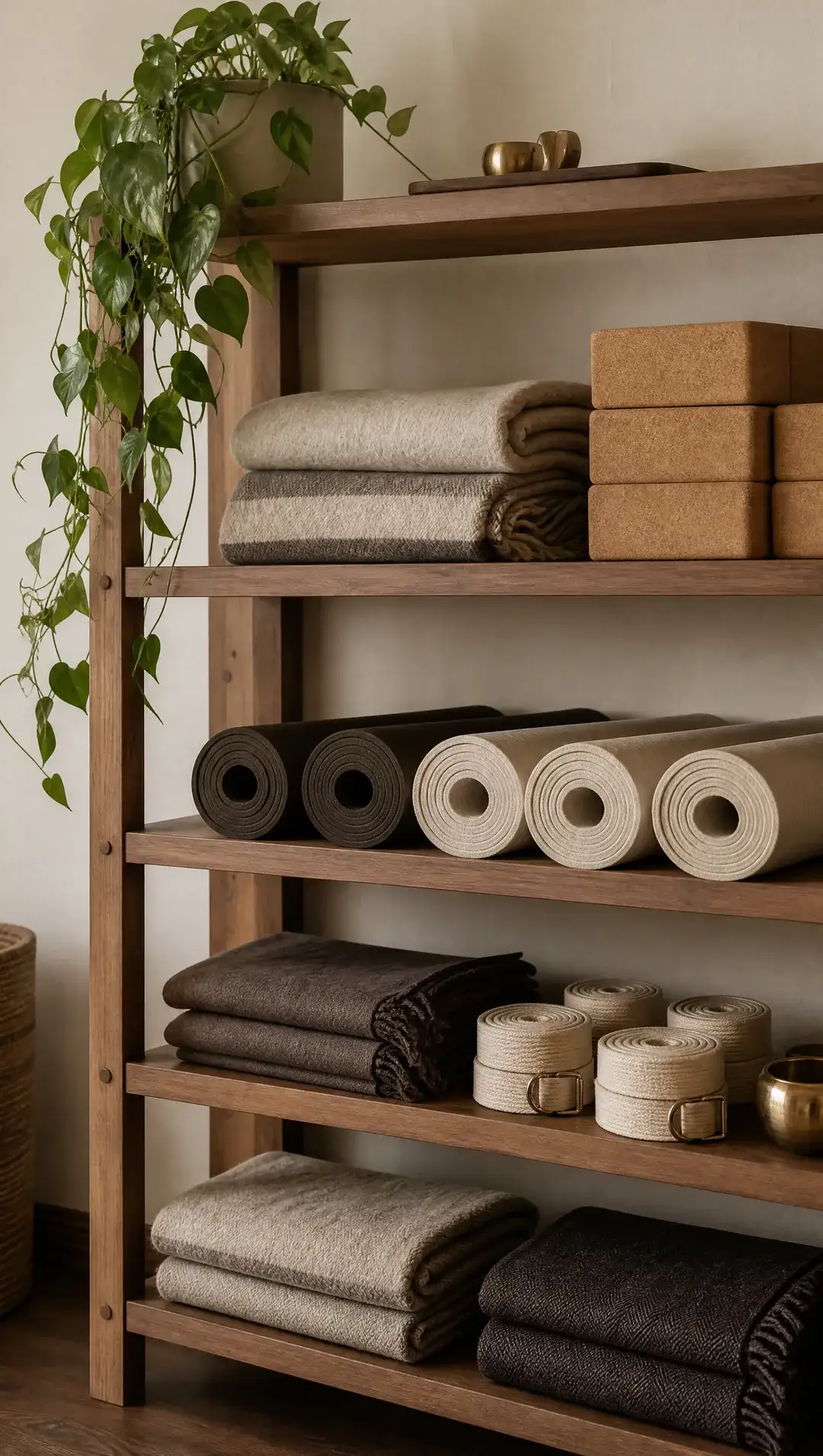
Yoga for stress relief means choosing slow movement, a longer out-breath and properly supported rest, so you have a clear, physical way to mark the end of the working day. It is a practice many people keep alongside their other care, not a treatment, and it works best when it is short, regular and easy to start.
Stress is not only in your head. It shows up in the jaw, the shoulders, the breath and the way you sit at a desk for ten hours. A yoga practice for stress works with those places directly. It does not ask you to think your way calm. It gives your body a slower thing to do for a while. The same idea shapes my private lessons in yoga for stress and burnout.
Effort mode and rest mode, in plain words
Your nervous system has a setting for getting things done and a setting for winding down. Both are normal. Deadlines, traffic, notifications and late emails keep nudging you towards the first one, and some days it never quite switches back.
A calming practice is simply a set of conditions that make the second setting easier to find: moving slowly, breathing out for longer than you breathe in, lying down with your weight fully supported, and not being interrupted. I cannot promise what your body will do with those conditions. What I can say is that many people find them restful, and that they are easy to repeat. Yoga’s own word for that settled state is shanti, and why om shanti is said three times has a page of its own.
A short practice to try at home
You need a mat or a rug, a firm cushion or two, and a blanket. Put your phone in another room.
- Arrive. Sit or lie down and notice how you are breathing, without changing it. Give it a minute.
- Loosen the desk places. On hands and knees, move slowly between rounding and arching the back, as in the cat-cow stretch. Then roll the shoulders and let the head hang heavy for a few breaths.
- Fold forward and rest. Come into child’s pose with the knees wide, with a cushion under your chest if the floor feels far away. Stay for a minute or two.
- Lengthen the out-breath. Lying on your back with knees bent, breathe in for a count of four and out for a count of six. Keep it comfortable. If counting makes you tense, drop the numbers and just let the exhale be slow.
- Legs up. Rest your legs up a wall, as in the legs-up-the-wall pose, with a folded blanket under your hips if you like. Stay three to five minutes.
- Lie still. Finish in the final resting pose, savasana, with a blanket over you. Let the floor take your weight for five minutes before you get up.
This whole sequence takes about fifteen to twenty minutes. On a busy night, steps 4 to 6 on their own are enough.
Choosing the right style
When you are stressed, the instinct is sometimes to go hard. A strong class can feel good, but if you are already running on adrenaline and little sleep, slower styles are often a better match.
Yin yoga holds a few floor shapes for several minutes with the muscles let go. In a restorative practice, bolsters and blankets hold the body completely. Both give you stillness with support, which is often the thing stress takes away.
Habits that help the practice work
- Keep it small. Ten minutes most days beats an hour once a month.
- Pick a trigger. Straight after you change out of work clothes, or before you brush your teeth.
- Leave the screen out. A practice done with one eye on messages is not much of a break.
- Stop anything that hurts. Sharp pain, pins and needles or dizziness mean come out and rest.
- Unwind the desk places first. If stress settles in your neck and shoulders, five minutes of slow neck stretches in a chair or shoulder stretches for long laptop days can come before the practice above.
For more ways to use the breath on its own, see three breathing exercises to try.
When to see a professional
Yoga is not a treatment for stress-related illness, and it is not a replacement for medical or psychological care. Please see a doctor or a mental health professional if:
- stress is affecting your sleep, appetite, work or relationships for weeks at a time;
- you feel low, hopeless or numb most days;
- you have chest pain, a racing heart or breathlessness that worries you;
- you are using alcohol or other substances to get through the day.
If you ever feel unsafe or think you might harm yourself, contact a local crisis line or emergency services straight away. If you have a heart condition, high blood pressure, a recent injury, or you are pregnant, check with your doctor before starting a new practice.
Practising with me
If you would rather not do this alone, I teach private lessons for heavy weeks at your home, condo or office in Metro Manila, including lessons at your condo in Makati. The lesson follows how you arrive that day, and every private lesson ends with savasana, a mini massage for the neck and shoulders, and sound healing to close.