Yoga nidra
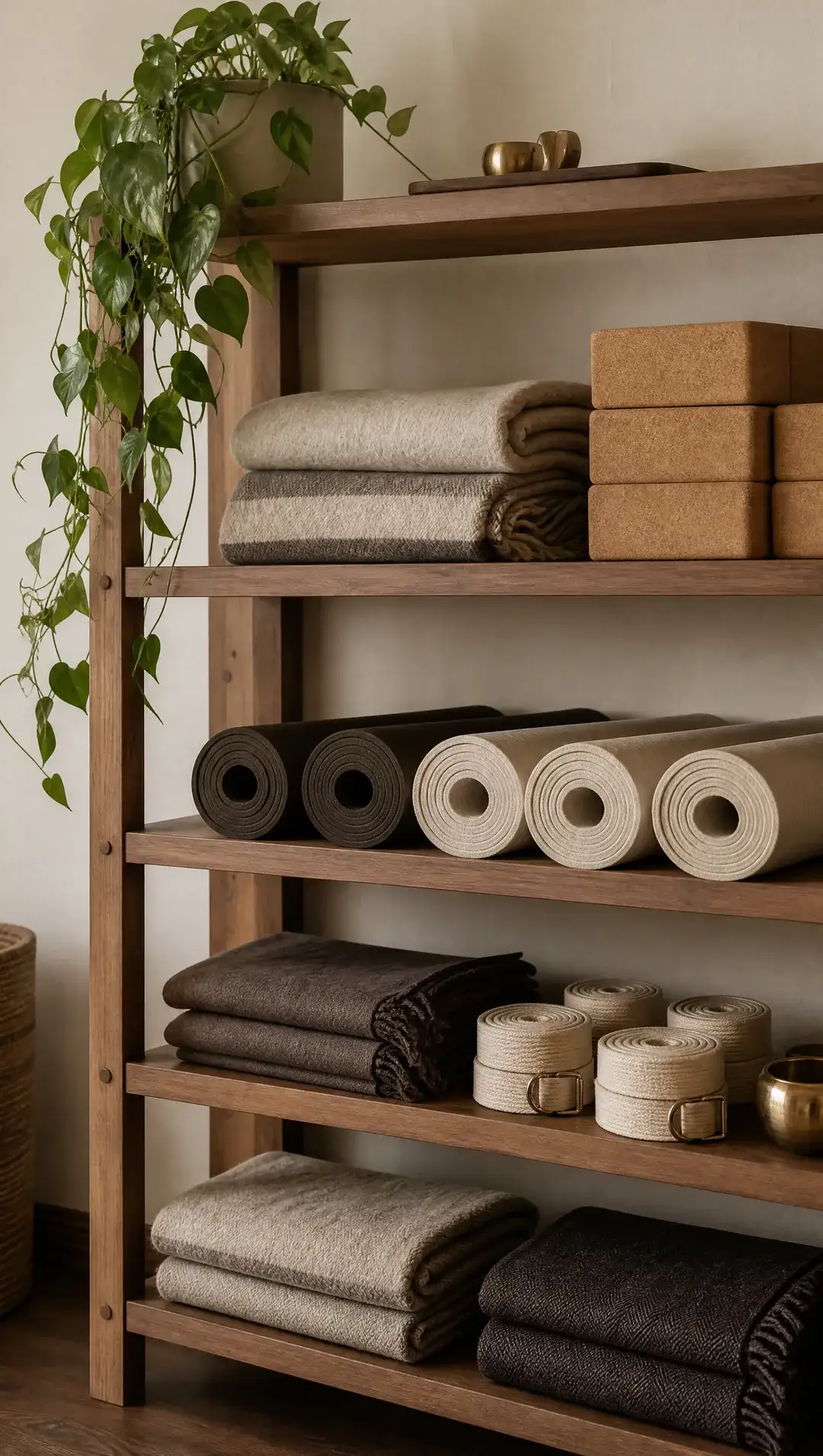
Yoga nidra is a guided practice done lying completely still, in which a teacher's voice leads your attention through the body, the breath and a few simple images while you stay awake. The name is often translated as yogic sleep, but the aim is to rest deeply while remaining aware, not to fall asleep.
Most yoga asks you to do something: hold a shape, follow the breath, move in time. Yoga nidra asks almost nothing. You lie down, get comfortable and listen. The work is done by paying attention, not by effort.
It is one of the easiest practices to begin, because there is no posture to learn and nothing to get right. Here is what a guided practice usually involves and how to prepare for one. A guided rest like this can also close a restorative lesson with me, if you ask for it when you book.
What yoga nidra is
Nidra is the Sanskrit word for sleep, and the practice is often called yogic sleep. The name describes the position, not the goal. You lie as if you were going to sleep, but a voice keeps your attention gently moving so that you stay aware while the body is still.
The version most people meet today is a structured, modern form, taught in many different ways by different teachers. The broad shape stays much the same.
What happens in a guided practice
Each teacher has their own script, but most follow a similar order.
- Settling. You lie on your back in corpse pose, make any last adjustments, and agree with yourself to stay still.
- An intention. Many practices invite you to choose a short, positive phrase, sometimes called a sankalpa, and repeat it silently. You can skip this if it does not appeal.
- Moving through the body. The voice names one part of the body after another, quickly: right thumb, first finger, second finger, and so on. You simply bring your attention to each place as it is named.
- The breath. You notice the breath without changing it, sometimes counting breaths backwards.
- Opposite sensations. You may be asked to recall heaviness and then lightness, or warmth and then coolness.
- Images. Some scripts name a series of simple pictures, such as a candle flame or a quiet beach, one after another.
- Returning. You repeat your intention, the voice brings you back to the room, and you move slowly before sitting up. Some teachers close with om shanti, a wish for peace said three times.
If your mind wanders, that is normal. Come back to the voice when you notice. For a simpler practice that moves through the body without the other stages, try a ten-minute body scan you can do alone.
How to prepare
- Lie somewhere quiet where you will not be interrupted. A mat or a firm bed both work.
- Support your body. A cushion under the knees eases the lower back. A thin pillow under the head helps too.
- Cover yourself. You cool down when you lie still, so keep a blanket over you, even in an air-conditioned condo on a warm day.
- Silence your phone, or play the recording on a device with notifications turned off.
- Choose a length that fits. Ten or fifteen minutes is enough to begin.
Who should take care
Yoga nidra is gentle, but it is not right for everyone at every moment.
- If lying on your back is uncomfortable, for example later in pregnancy, lie on your left side with pillows between your knees, and check with your OB or midwife first.
- If you have experienced trauma, or lying still with your eyes closed brings up distress, keep your eyes open, stay near the door, or choose a shorter practice. It is fine to stop at any point.
- If you live with a mental health condition, talk to your doctor or therapist before starting, and keep them in the loop.
When to see a professional
Yoga nidra is a practice for rest, not a treatment for sleep problems, anxiety, depression or any other condition. If you are struggling to sleep for weeks at a time, feel low most days, or find that stress is affecting your work or relationships, please see a doctor or a mental health professional. If you ever feel unsafe, contact a local crisis line or emergency services.
Where it fits with restorative yoga
Yoga nidra and restorative yoga share the same spirit: the body fully supported, nothing to achieve. In restorative lessons you rest in a few propped shapes, which some people find an easier way into stillness than one long lie-down. If you would like a guided rest as part of a private lesson with me, tell me when you book and we can plan the lesson around it. Every private lesson already ends with savasana, a mini massage for the neck and shoulders, and sound healing to close.